

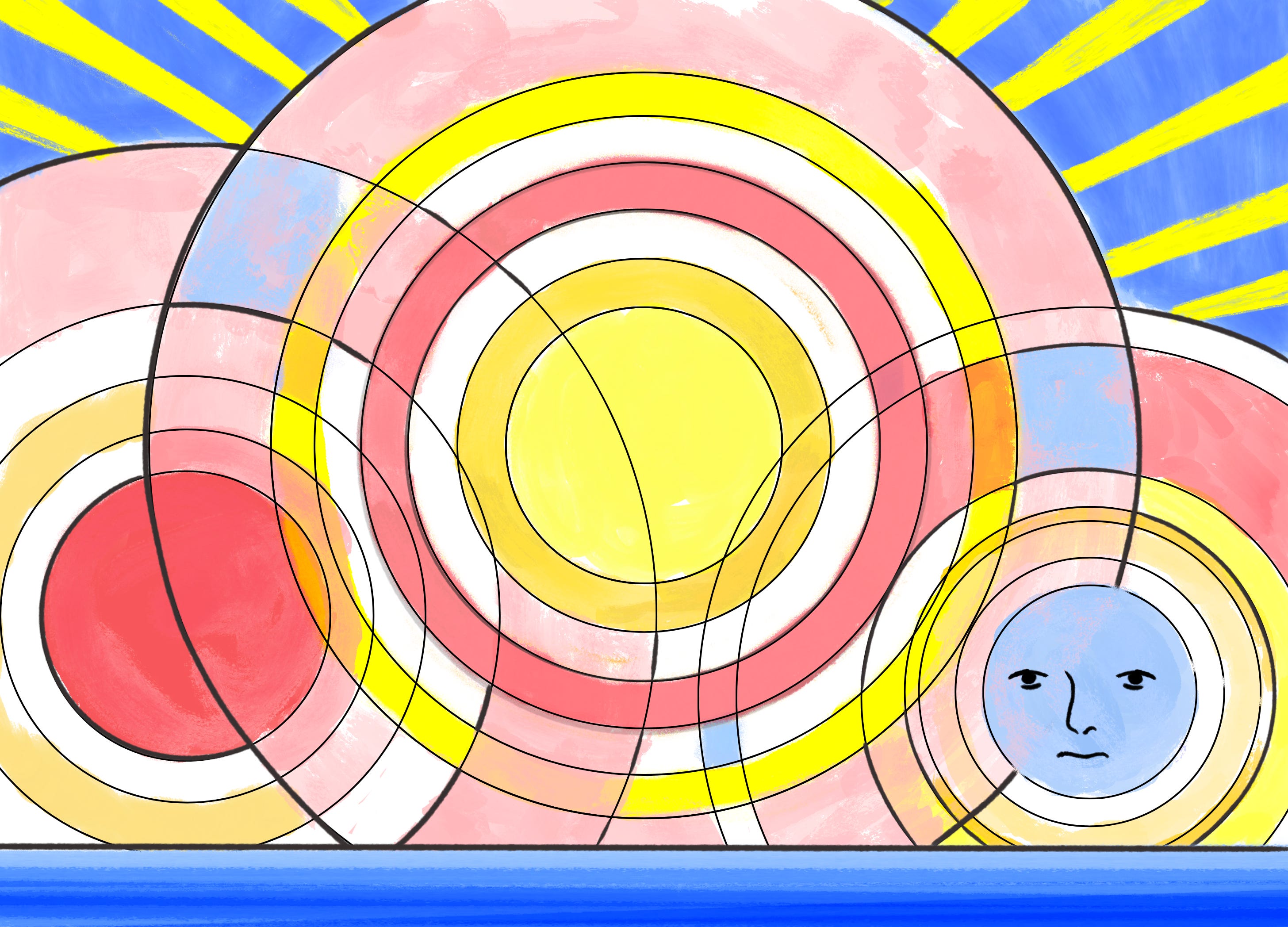
The sun of Lisbon was like heaven pouring down from a sublime gravy pot. It ricocheted off bright buildings, nowhere to go but into me. Despite being California-born, I had never known light so insistent.
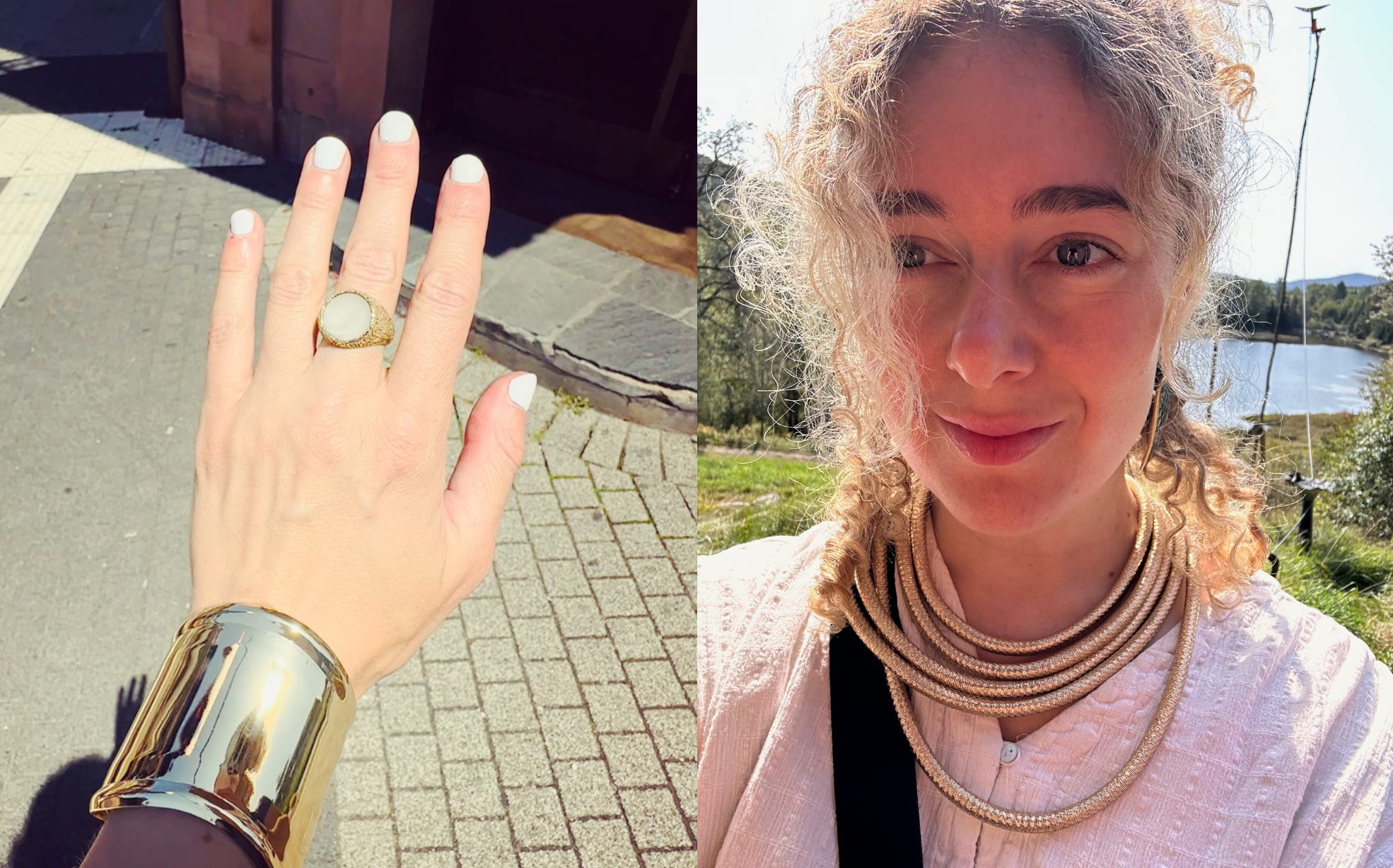
When I lived in Lisbon several years ago, I lapped up the sun like a scurvy-riddled sailor sucking limes. I sought to be like the sun—to radiate, to be admired for my shining. I bleached my hair and dressed in gold, gleaming things.
I had left Berlin for Portugal for the sun.
Being in Berlin was like loving a manic depressive. I had arrived on the first day of spring and fell hard during the onset of her mania: canals flocked with beer drinkers, clubs emptying into daylight, bass vibrating whole city blocks.
Then came October: five months of winter, a gray sky so fixed it deserved its own Pantone.
I stayed loyal for years, until months of covid lockdown beneath that unrelenting gray sky found me perusing Portuguese housing listings. I left Berlin for Portugal like a married man leaving his loyal but depressive wife for a flashy tan thing who smiles easily.
When the honeymoon wore off, I discovered my mistake—Portugal had a beautiful smile, but Berlin was like living inside a giant electric heart. I missed her.
The same stinginess that made me flee Berlin rather than pay the cost of winter led me to skip paying my lawyer another €1,200 and complete my Portuguese visa application myself. When my visa was denied, I rehired the lawyer to deduce my error: a single wrong checkbox.
The letter from the immigration office gave me six weeks to leave. When the time was up I began an international homelessness, drifting from country to country in a privileged nomadism that looked glamorous and felt lonely.
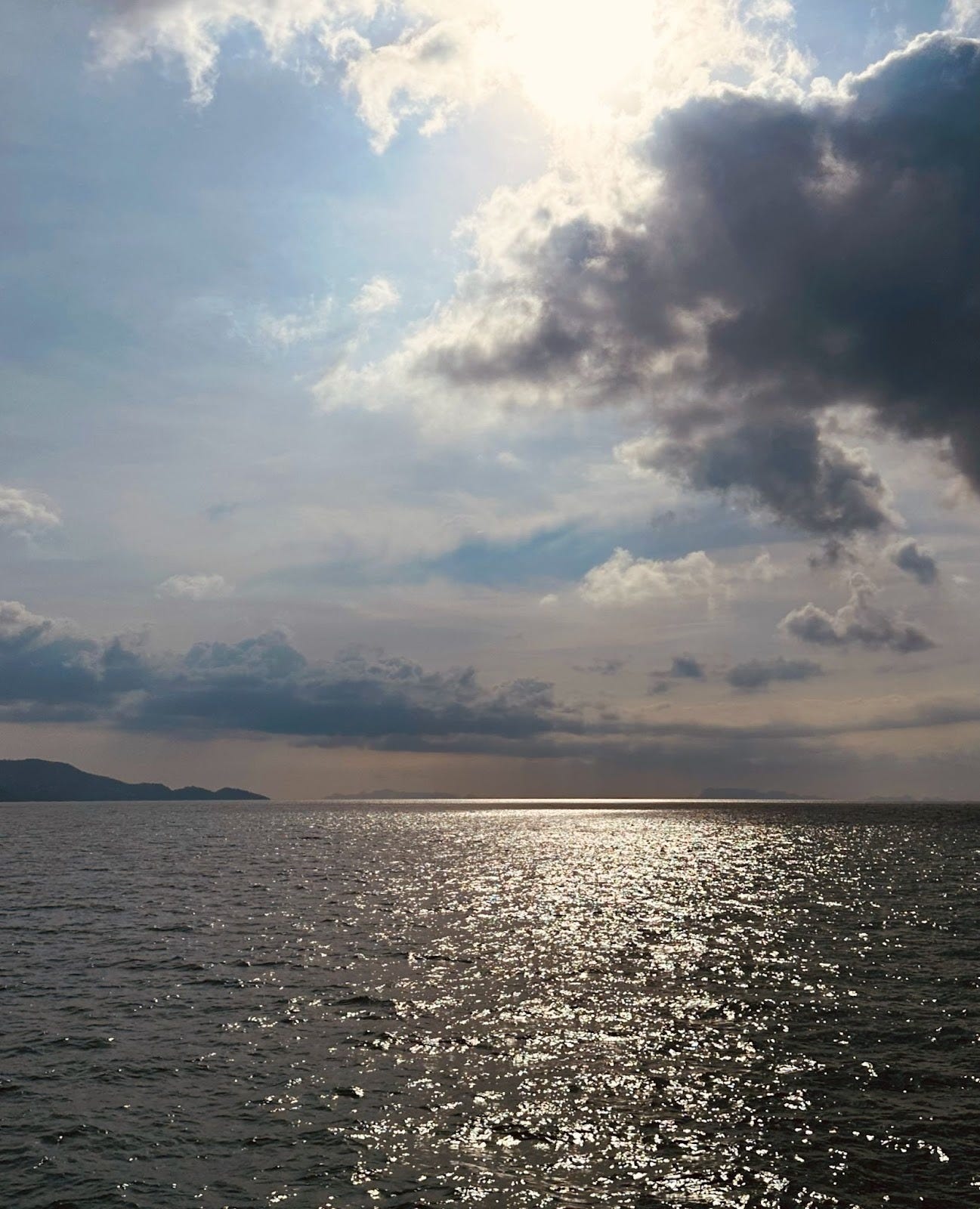
In Bangkok I admired the sun through a polluted haze. On a ferry to a Thai island, I listened to Moby’s God Moving Over the Face of the Waters and tried to photograph, well, God moving over the face of the waters.
I hoped God was there on those waters, because I didn’t know what I was doing.
In the bungalow next door, a smiling Irishman relaxed in a hammock. At first I bristled at his friendliness. I did not know that his inviting me to his dinner table would be the first plank in a delicate bridge of synchronicities leading me to my next life.
I imagined a latticework of hidden beings routing us toward our destinies, a quiet bureaucracy of fate. Sometimes they guided my hand to the wrong checkbox. Sometimes they placed obstacles that only later revealed themselves as doors.
I resented their every appearance. They were in the way of my plans.
When I inexplicably couldn’t log into my old German bank account, I returned to Berlin to sort it out.
The smiling Irishman had set a flurry of occurrences in motion, one of which was meeting Jesse, who just happened to be in Berlin then, too. Over miso soup, he mentioned he’d be going to Turkey for November.
“Can I join?”
“Sure.”
In Istanbul the calls to prayer ricocheted across the buildings the way the sun had in Lisbon. Jesse offered his hand as we walked through crowded marketplaces, like an electron offered to stabilize me. We fell into a secure covalent bond.
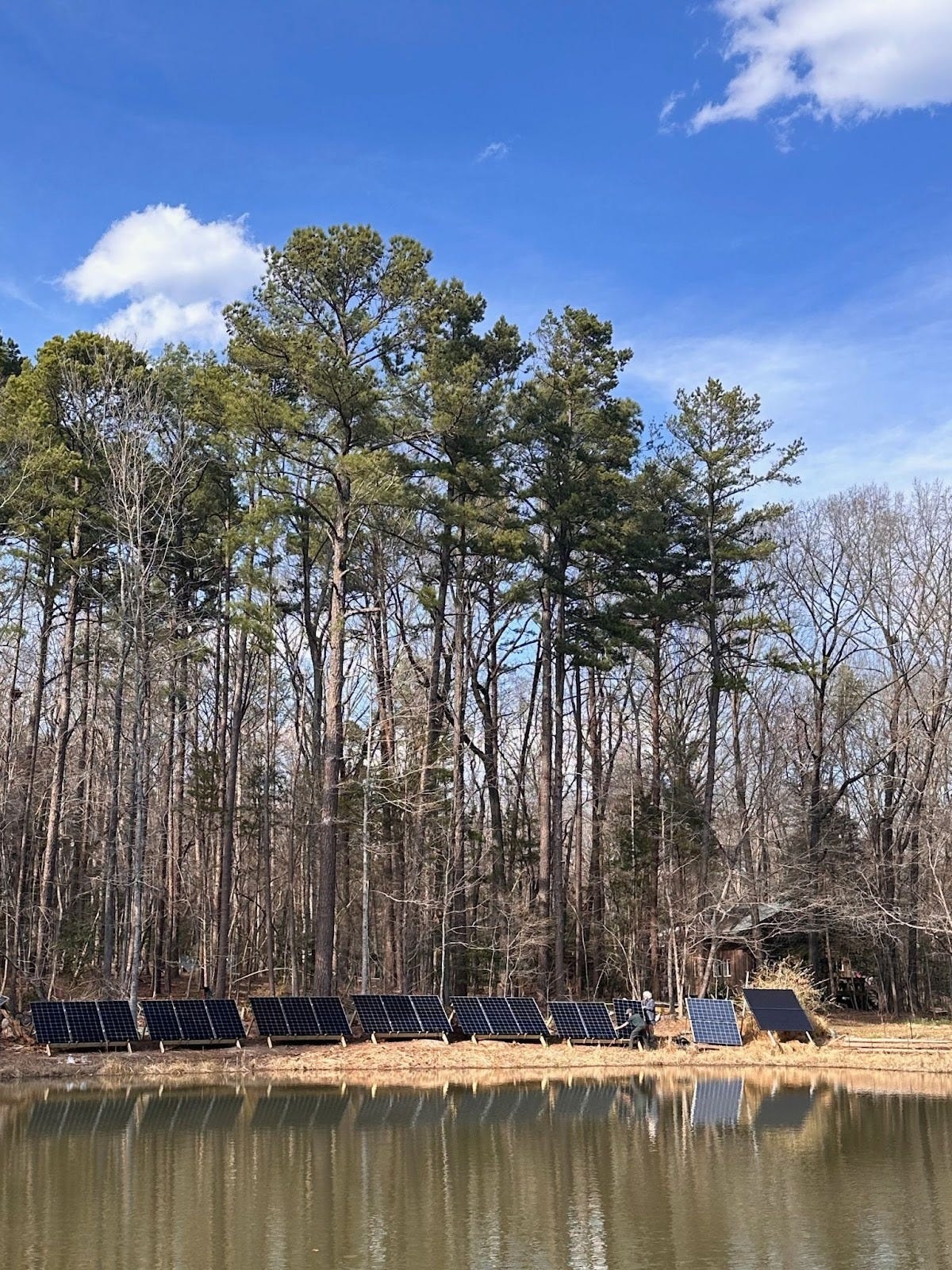
We settled in his home in North Carolina, where the sun took on a deeper meaning: life-giver. It sank into silicon leaves, feeding a flurry of instruments that converted sun into heat, cold, internet, light, and music. Sunlight cooked our food, sunlight hauled water from 150 feet underground, sunlight cooled us from sun itself. Sunlight even charged our car. I imagined riding a sunbeam as I drove to get sun-given groceries.
The sun went into me and put me to work—another instrument. I grew vegetables, hauled water, cooked food from scratch. Day by day I learned how to be one part of a life-growing community.
When I floated around the world, everything was exciting and optional. Local workers, paid far less than me, took care of my every whim. Everything was easy, and I was sad.
Here, I was the worker. I cooked and cleaned and carried water. I was no longer the sun demanding attention—I flowed where I was needed, nourishing quietly.
Old friends struggled to remember the off-brand state in which I now lived. “Tennessee? South Carolina?” Some charitably tried for the closest trendy place: “You’re in Asheville… right?”
They didn’t know the magic of low places.
Ordinary days spent in the woods slowly healed me. My fingers loosened their clutch on fear, trusting what life brought. I did not dress in gold, nor even look in the mirror. I learned from elders and watched children grow. Freed from excited bustling, I helped others.
One morning I woke to find growing inside me the very thing I had searched for across the world’s high and coveted places: a soft, whole joy.
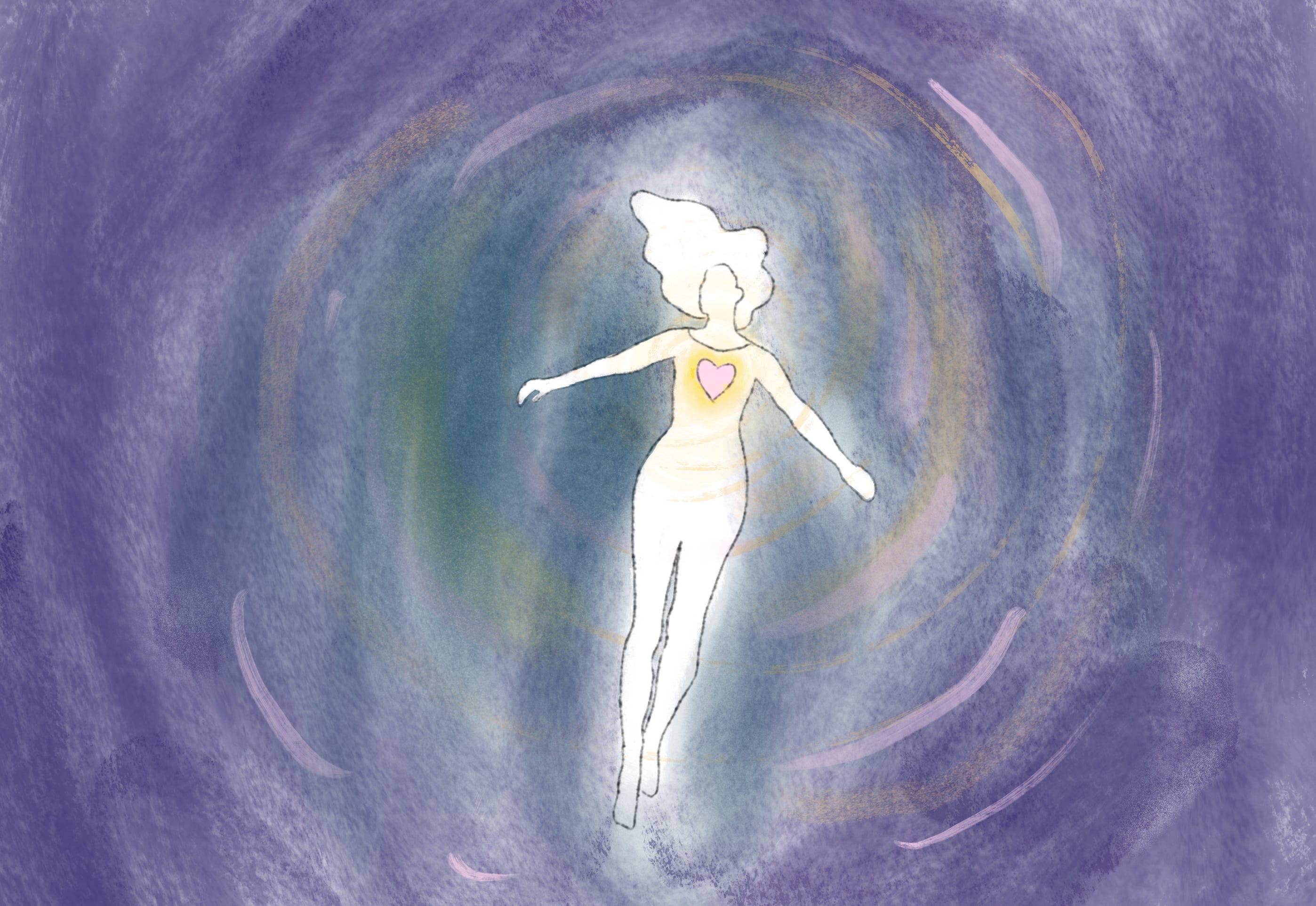
Ursula Le Guin writes in her translation of the Tao Te Ching:
True goodness
is like water.
Water’s good
for everything.
It doesn’t compete.
It goes right
to the low loathsome places, and so
finds the Way.
I am glad those invisible beings led me here.
I wanted to be the sun, but I didn’t know how good it feels to be water.
This is deeply beautiful. And that photo certainly looks like God moving over the face of the waters 😸
So beautiful ❤️